
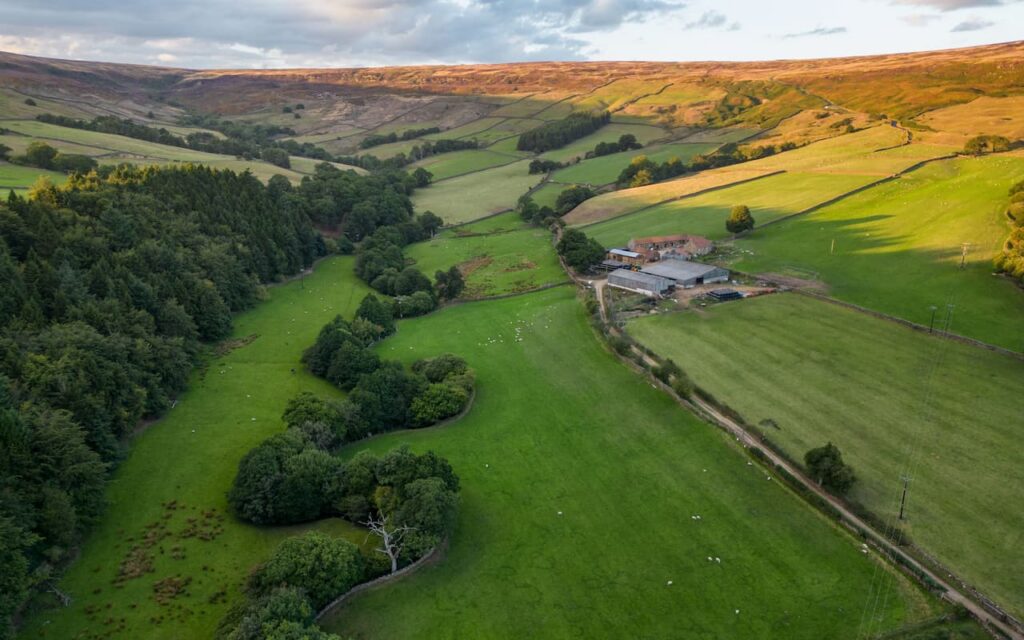
Buying a rural property in Ontario opens the door to new opportunities. Whether you are planning to build a country home, create a hobby farm, establish a recreational retreat, or simply enjoy more space, owning land gives you the freedom to shape your surroundings to suit your needs. However, before you start making improvements, it is important to understand what you have purchased. Here are seven important things to look at first when settling into your new rural property in Ontario.
1. Assess the Overall Condition of the Land
Before bringing in equipment or starting a landscaping project, take a walk around the entire property. Getting familiar with the land is one of the most valuable first steps you can take as a new owner.
Look for changes in elevation, wooded areas, open fields, exposed soil, standing water, and sections that appear difficult to access. Pay attention to existing trails, natural clearings, and areas that could serve as future building sites, gardens, storage spaces, or recreational areas.
It is also worth reviewing your property boundaries. Existing fences, tree lines, and informal paths do not always accurately reflect the legal limits of your land. If you are unsure where your property ends, consult your survey documents and consider having a professional surveyor confirm the boundaries before undertaking work near neighbouring properties.
Take photographs and make notes about areas that need attention. This simple exercise gives you a useful starting point for prioritizing projects.
You should also consider your long-term plans. A property intended for agricultural use may require different improvements than one designed for recreation or residential development. Understanding the land’s current condition will help you determine which changes make sense and which areas should remain untouched.
2. Identify Overgrown Vegetation and Unwanted Brush
Thick brush, invasive plants, fallen branches, and dense undergrowth are common features of rural properties that have been left unmanaged for years. Although natural vegetation can support wildlife and provide privacy, excessive growth may prevent you from accessing important areas or using the land effectively.
Start by identifying where vegetation is causing practical problems. Overgrown trails may limit access to the back of the property, while dense brush near buildings can make inspections and maintenance more difficult. Unwanted growth may also conceal old debris, damaged fencing, ditches, or other potential hazards.
Land clearing can help restore access, open up usable space, and prepare selected areas for future projects. Depending on your goals, this might involve removing small trees, clearing brush, cutting back vegetation along access routes, or opening a section of land for a driveway or building site.
However, clearing everything is rarely the best approach. Mature trees, natural buffers, and established vegetation can help prevent erosion, provide shade, and support local ecosystems. Some areas may also be subject to environmental protections or municipal restrictions.
For projects involving land clearing in Ontario, property owners should consider the intended use of the area, local requirements, and the potential impact on surrounding land before work begins.
A selective approach allows you to improve the property while preserving the natural features that make rural living appealing.
3. Check Property Access and Existing Driveways
A property can have plenty of usable space but still be difficult to enjoy if you cannot reach it conveniently. Access is especially important in rural Ontario, where long driveways, private lanes, narrow entrances, and seasonal road conditions can create challenges.
Inspect the existing driveway or access route. Look for potholes, soft ground, exposed roots, deep ruts, loose gravel, and areas where water collects after rainfall. Check whether the route is wide enough for the vehicles and equipment you expect to use.
Consider access beyond the main entrance, too. You may need a practical route to a future building site, workshop, storage area, field, or wooded section. Planning these routes early can prevent you from disturbing the same areas repeatedly as your projects progress.
Depending on the condition of the land, improvements may include widening an existing entrance, removing obstructing vegetation, adding suitable granular material, improving the driveway base, or creating a more stable access route.
Excavation and grading can also help prepare new access points, although drainage, soil conditions, culvert requirements, and applicable permits must be considered before construction begins.
If your property connects to a municipal road, check with the relevant municipality before modifying the entrance or installing a new access point. Private road agreements, shared driveways, and easements should also be reviewed where applicable.
Reliable access makes everyday maintenance easier and can improve the practicality of future construction, landscaping, and agricultural activities.
4. Evaluate Drainage and Water Movement
Water is one of the most important factors to understand when assessing rural land. Even a property that appears dry during the summer can develop muddy areas, standing water, or erosion problems during spring snowmelt and periods of heavy rain.
Walk the property after rainfall if possible. Observe where water collects, how it moves across slopes, and whether it flows toward buildings, driveways, or neighbouring properties. Look for washed-out soil, exposed roots, saturated ground, and ditches that appear blocked or poorly maintained.
Pay particular attention to low-lying areas and the ground around foundations. Poor drainage can affect the stability of access routes, limit the use of outdoor spaces, and contribute to moisture problems around structures.
Grading can help direct surface water away from buildings and toward appropriate drainage areas. Excavation may be necessary to reshape certain sections of land, establish suitable ditches, or address specific drainage concerns. In other cases, maintaining existing drainage channels or clearing obstructions may be enough.
It is important not to assume that moving soil will automatically solve a water problem. The source of the water, soil composition, slope, and existing drainage patterns all influence the appropriate solution.
Before altering wetlands, watercourses, shorelines, or established drainage systems, check the applicable Ontario and municipal requirements. Depending on the location and proposed work, permits or approvals may be necessary.
Understanding water movement early can help protect your investment and reduce the likelihood of costly repairs later.
5. Look for Uneven Ground and Difficult Terrain
Rural properties rarely have perfectly level ground. Slopes, rocky sections, shallow depressions, exposed roots, and irregular terrain are all normal features of undeveloped land. The important question is whether these conditions interfere with how you intend to use the property.
Identify areas that could benefit from grading or excavation. For example, a steep or uneven section may need attention before it can accommodate a driveway, parking area, garden, shed, or other planned improvement.
Look for signs of soil instability, erosion, and ground that becomes unusually soft after rainfall. Rocky areas may require specialized equipment if you plan to establish access routes or prepare a building site.
Land grading can create more consistent surfaces and help establish appropriate slopes for drainage. Excavation can remove unwanted material, reshape selected areas, and prepare the ground for specific projects.
However, reshaping the land should always begin with a clear purpose. Large-scale earthmoving can change natural drainage patterns, expose unstable soil, and create new maintenance requirements if it is not planned properly.
Consider which areas genuinely need improvement and which can remain in their natural state. A gentle slope may be suitable for recreation or landscaping, while a steep wooded section could be better left undisturbed.
For larger projects, a qualified contractor can assess site conditions, equipment requirements, and the amount of work involved before providing recommendations.
6. Inspect Old Buildings, Sheds, and Other Structures
Many rural properties include existing structures such as barns, sheds, garages, cabins, storage buildings, or older outbuildings. Some may offer useful storage or renovation opportunities, while others may be unsafe, deteriorating, or no longer suitable for their original purpose.
Start by looking for visible damage. Check for sagging roofs, leaning walls, rotting wood, broken windows, deteriorating foundations, and signs of water intrusion. Be cautious around structures with unstable floors, exposed wiring, damaged roofing, or other obvious hazards.
Do not enter a building simply because it appears empty. Older structures may contain unsafe materials, including asbestos-containing products or lead-based paint, as well as wildlife, sharp debris, and structural weaknesses. Suspected hazardous materials should be assessed by qualified professionals before disturbance.
Once you understand the condition of each structure, decide whether it should be maintained, repaired, repurposed, or removed. An old shed might be useful for equipment storage, while a severely deteriorated building may occupy valuable space and pose a safety concern.
Demolition can help remove unwanted structures and prepare an area for a new use. Depending on the building and its contents, the process may involve utility disconnection, waste sorting, hazardous-material assessments, and permits.
Before removing any structure, confirm its location, ownership status, applicable municipal requirements, and any relevant heritage or environmental restrictions.
Addressing these issues early helps you make informed decisions about the property’s existing buildings and future layout.
7. Identify Areas That Could Be Improved or Reclaimed
After reviewing the land, vegetation, access routes, drainage, terrain, and existing structures, you can begin identifying opportunities to make the property more functional.
Perhaps an overgrown field could become a garden or pasture. Maybe a neglected trail could provide access to a wooded section, or an unused area near the entrance could accommodate parking or equipment storage. In some cases, removing an old structure or improving a poorly graded section could create valuable space for future use.
This is where thoughtful rural land management becomes especially useful. Rather than approaching every problem as a separate project, consider how individual improvements can support your overall plans.
Create a list of potential projects and organize them according to urgency, cost, and intended purpose. Safety concerns, drainage issues, and essential access improvements may deserve attention before cosmetic landscaping or optional recreational features.
It is also wise to divide larger projects into manageable stages. You might begin by clearing a small area, improving the driveway, and addressing immediate drainage concerns before moving on to larger excavation or grading work.
Professional contractors can help determine which services are appropriate for each stage. Land clearing may open up selected areas, excavation can reshape the ground, grading can improve surface levels and drainage, and demolition can remove unwanted structures. Access improvements can then make it easier to reach and maintain the spaces you have reclaimed.
Good rural land management also means recognizing where intervention is unnecessary. Preserving healthy woodland, natural habitats, and stable vegetation can be just as valuable as creating new usable space.
The goal is not to change every part of your property. It is to make the land work better for your needs while protecting its long-term condition.
Take the Time to Understand Your Property Before Making Changes
Owning rural land in Ontario offers plenty of possibilities, but the best results usually begin with careful observation and realistic planning. If you have recently purchased a new rural property, resist the temptation to tackle every issue at once. A thoughtful assessment can help you avoid unnecessary work, manage your budget, and develop a practical plan for the years ahead.
Start with the essentials, prioritize improvements that protect the property, and build from there. By taking a measured approach, you can make the most of your land while preserving the natural character and possibilities that attracted you to rural living in the first place.
Northern Earthworkz is an Ontario-based earthwork and land management company built around a simple belief: when people need dependable support, you show up and do the work right. Get a quote about our logistics services and property solutions.